




All images by Anna Thielen Photography
Patient education is one of the most important aspects of ophthalmic surgical care. It is a frequent, multifaceted component of surgery conversion that requires a team effort to shape patient expectations, reduce anxiety, and deliver patient satisfaction. Well-timed patient education can also optimize clinical efficiency and reduce provider lane time. In today’s practice, when the experience is just as important as the outcome, efficient but effective education is critical to success. In this article, I share best practices that we have implemented at Advanced Eye Care for before, during, and after the visit.
Before the Visit: Setting the Stage
Beginning your surgical counseling well before the visit can best set the stage for the entire surgical experience. Many patients have limited understanding of their condition and options, and they can be heavily influenced by internet research or word-of-mouth anecdotes. Starting the conversation early can allay patient anxiety, begin to build trust with your practice, and improve the quality and efficiency of the in-office visit.
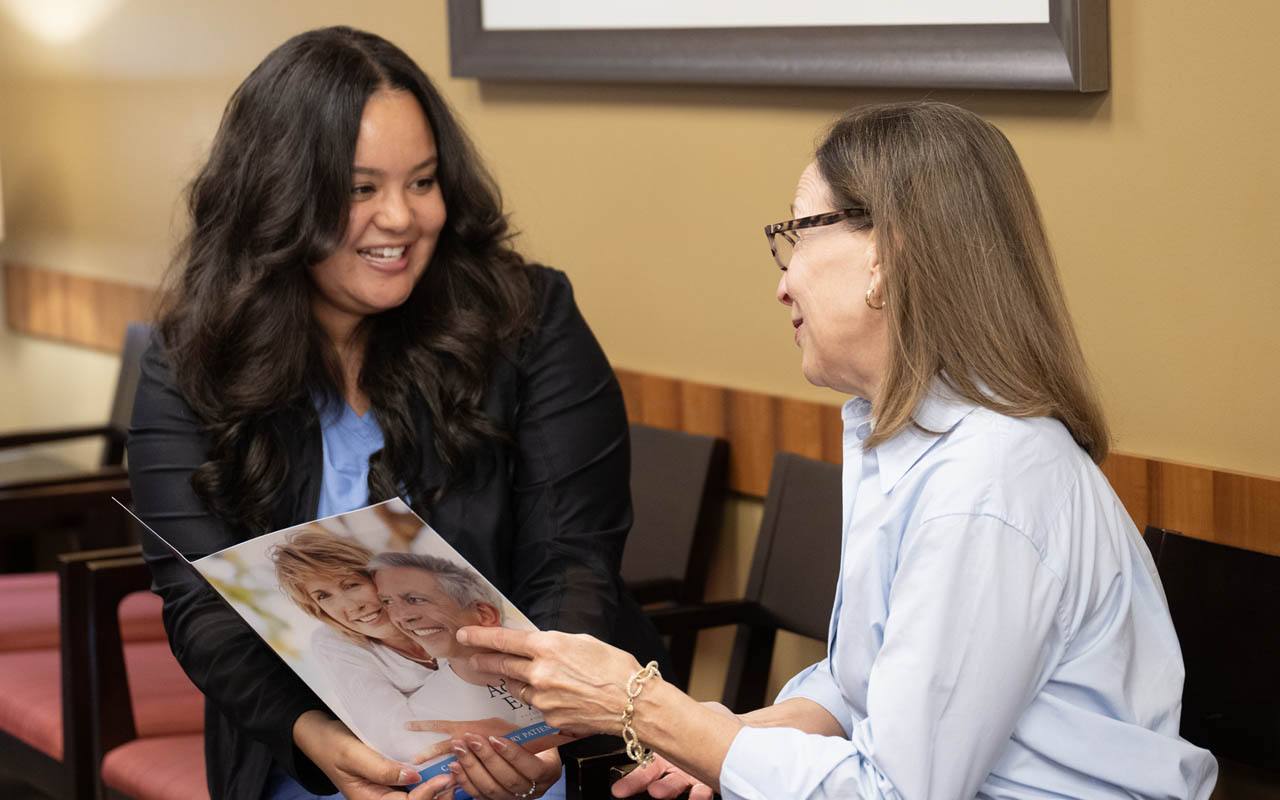
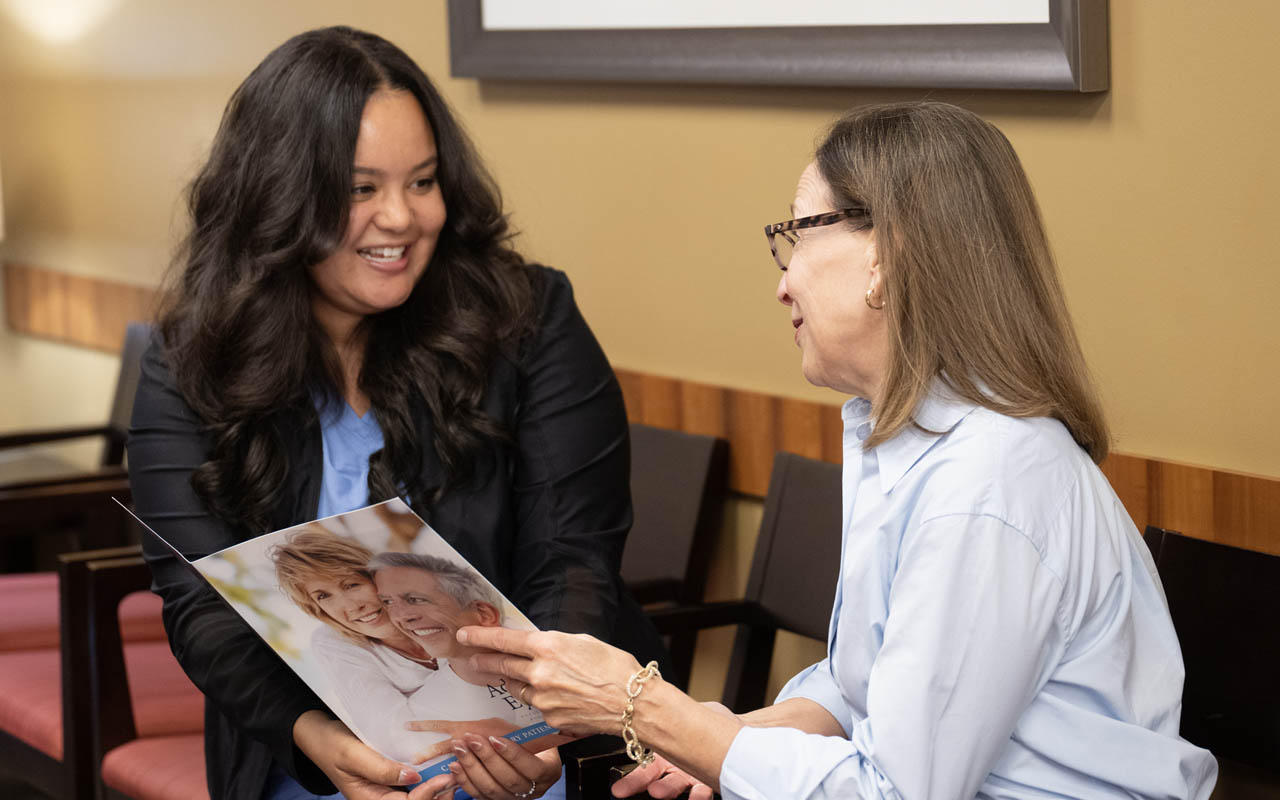
At the time of scheduling, Advanced Eye Care provides patients with curated materials in an education folder. This folder includes a “What to Expect” summarization of the entire surgical process, links to educational videos on their condition and treatment options, and handouts on how to prepare for their upcoming appointment. At Advanced Eye Care, we also include the exact cost and financing solutions for all lens options. Delivering this information prior to the visit allows the patient time to process it at their own pace. This is especially helpful when the material is extensive and the decision represents a once-in-a-lifetime opportunity.
Then, about 2 weeks before the patient’s surgical evaluation appointment, Advanced Eye Care initiates a live, phone-based education session. During this 20-minute phone conversation, a certified technician reviews the patient’s medical conditions, provides an overview of what to expect during the consultation and on the day of surgery, and explains different lenses that may be offered during the surgeon’s consultation. Aside from the generalized information on our surgical process, the technician will also ask the patient about how they use their vision and what their vision goals may be after the surgery. All of this is documented for the clinical team in the patient’s medical record in preparation for the consultation visit.
Conducting this pre-visit education session allows the patient time to formulate personalized questions for their clinical appointment and encourages the patient to begin imagining their preferred vision outcome. Behind the scenes, this step also streamlines the clinical visit and surgeon’s conversation to a patient-specific decision-making consultation; the patient understands their diagnosis, treatment options, cost, surgical process, and recovery—all the standard aspects to cataract surgery. While in office with the clinical team and surgeon, they can focus on their personal vision goals and make their selection with confidence.
During the Visit: Team-Structured Efficiency
The surgical evaluation appointment is the pivotal point in patient decision-making. This is where medical practice transforms into a smooth, hospitality-focused experience with optimized clinical flow.
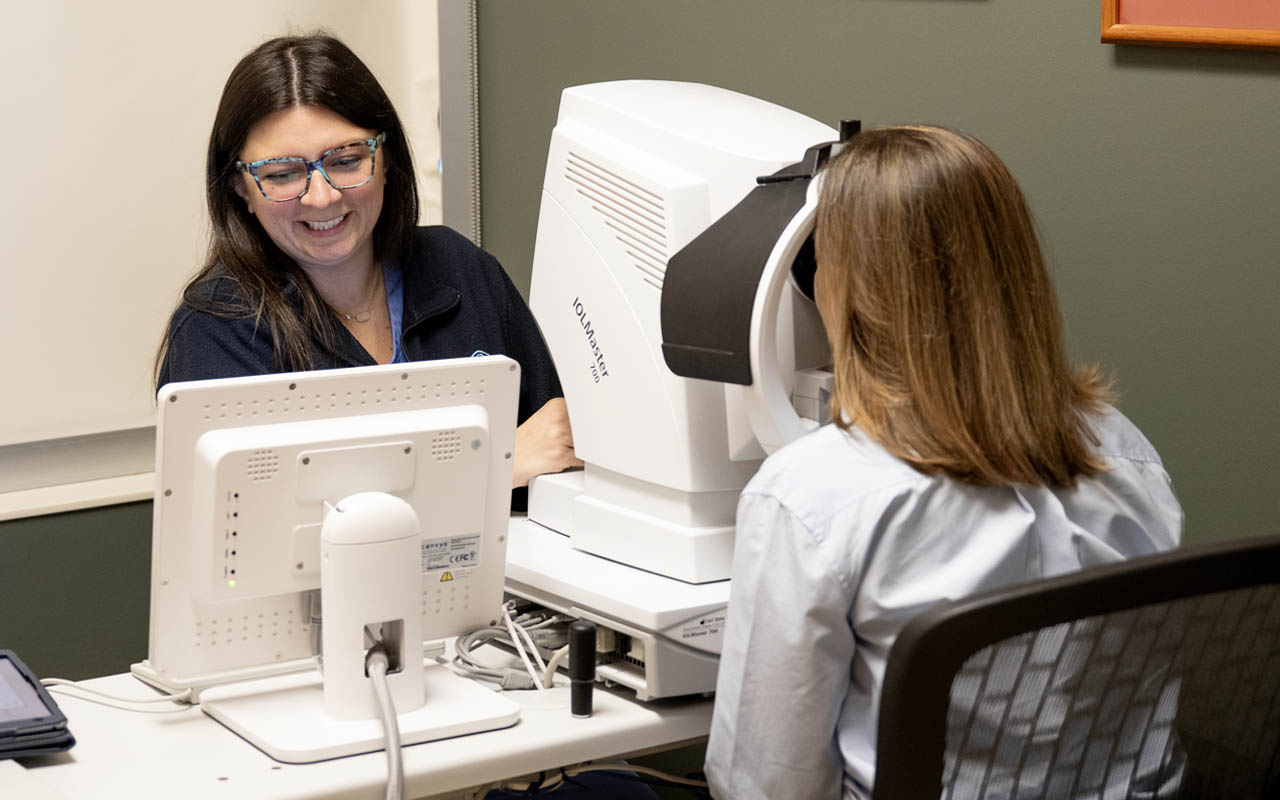
Personalized information captured during the prior phone education session ensures that at a quick glance, a team member or surgeon can familiarize themselves with this patient’s preferences or concerns and can continue that conversation—building trust and allaying anxiety. We repeatedly emphasize the patient’s lifestyle-driven goals and continue to clearly review options and set expectations.
To decrease wait times and negate patient fatigue, Advanced Eye Care emphasizes a standardized work-up process for all cataract evaluations—a Ford approach to medicine that is streamlined, standardized, and designed for precision and care. Each component of the visit is under protocol and flows like predictable machinery, but with a compassionate human touch. As the technician greets the patient in reception, we “walk and talk” the patient through the pre-testing portion of the evaluation. The technician reviews notes taken during the pre-visit education session, confirms outcome goals, and notes medical history. While doing this, the technician is also educating the patient on the diagnostics being performed and how the testing is used to help create the patient’s custom vision plan. We want patients to participate in their care and the decision-making process. Maintaining open communication with the patient throughout the process builds that engagement.
Throughout the surgical experience, all team members consistently use the surgeon’s preferred terminology to describe steps to the process. This means that when the surgeon enters the exam lane, the patient understands what a cataract is, how it is treated, what the treatment options may be, and what recovery may include. As the surgeon meets with the patient, most of the medical information is familiar to the patient and the patient’s preferences and concerns are familiar to the surgeon. Patient and surgeon are in sync before the exam even begins.
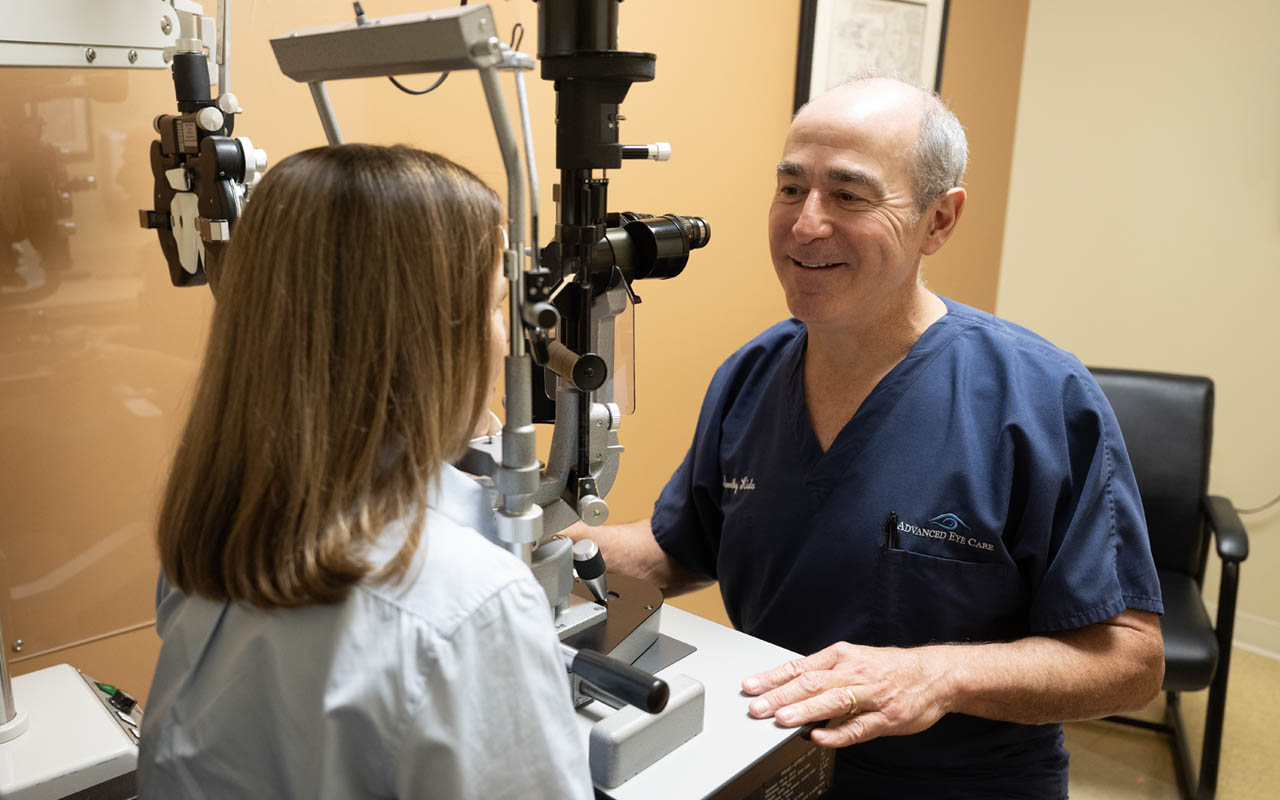
The surgeon’s part in patient education then becomes very straightforward—a strong recommendation of lens based on the patient’s repeated assertion of their lifestyle goals and clarification of realistic outcomes and post-operative expectations. Rather than devoting time to the standard logistics of cataract surgery, the surgeon has time to personally connect with the patient, to engage their trust, and together make the best vision choice for that patient. This focused experience in the exam lane, we have seen, increases patient satisfaction while optimizing the surgeon’s clinical time.
Following a warm handoff to the surgical scheduler, the patient receives their full schedule of all surgical and post-operative appointments along with clear patient materials related to pre-operative preparation, what to expect on the day of surgery, and post-operative expectations.
After the Visit: A Culture of Counseling
At Advanced Eye Care, counseling continues through the post-operative period. At each follow-up visit, the clinical team reinforces expected outcomes and positive gains, and gives the patient a take-home document that provides answers to frequently asked questions, addresses common post-operative expectations, and reinforces instructions and next steps.
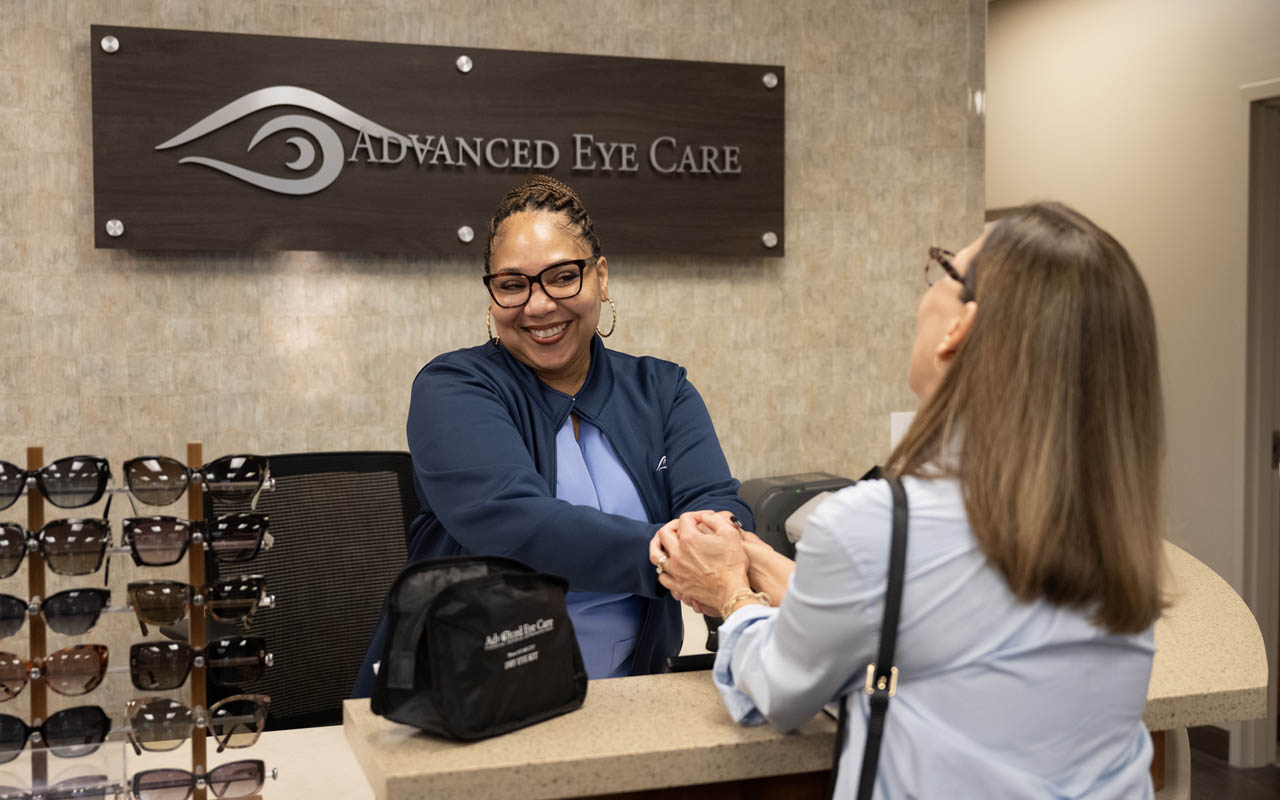
Together we celebrate their success, reduce callbacks to the office, and increase patient confidence. Advanced Eye Care makes sure to further stay aligned with patient expectations through patient satisfaction surveys and by routinely tracking surgical conversion data.
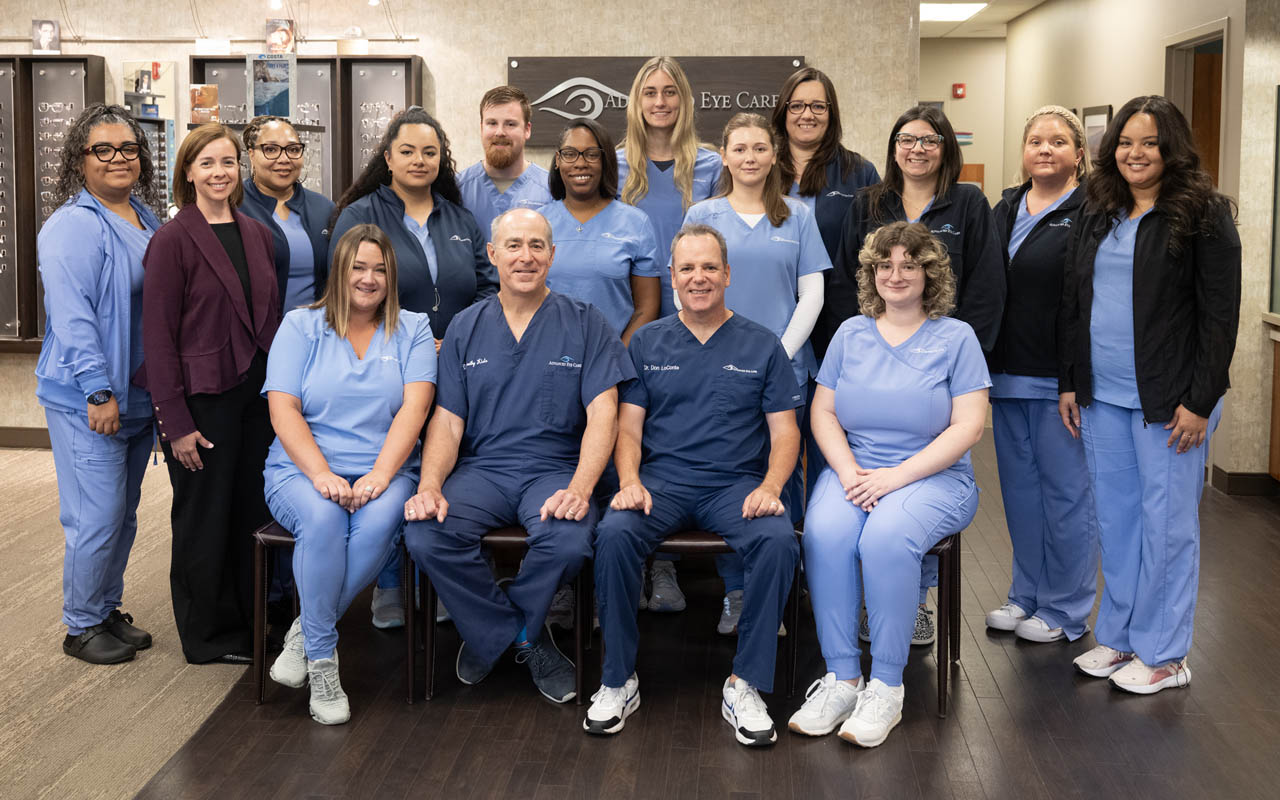
Creating a culture of counseling that begins well before the patient visit requires training every staff member with consistent messaging and soft skills. Your team is your greatest asset, and investment in your team has exponential returns. Under this education-focused, consistent approach, our dilated cataract evaluations (including all testing, surgeon’s exam, counseling, consent, and scheduling) are completed in less than 2 hours. Approximately one third of our patients elect advanced technology lenses, and our surgeons dedicate an average of 20 minutes in the lane to examination, counseling, and consent. Adding our pre-visit education session has allowed Advanced Eye Care to increase the number of surgical consultations per clinic shift, allowing us to better meet demand.
Conclusion

Counseling the surgical patient is not only about information transfer and consent; it’s also about building a partnership with your patient. Ophthalmic patients can experience both fear and hope when facing surgery.
Setting intentional communication at every stage of the patient journey—before, during, and after the evaluation—can enhance efficiency, reinforce consistency, and increase patient satisfaction. Blending clinical expertise with human connection ensures patients feel informed, supported, and empowered as they make decisions about surgery. OM