




Somewhere in your first year of practice, clinic stops feeling like something that happens to you, and starts feeling like something you’re expected to control. The problem is no one ever really teaches you how.
You trained for ophthalmology: the slit lamp, the imaging, the surgical decisions—that preparation was rigorous. What nobody prepared you for was the reality of a clinic day: the add-ons, the inbox filling while you’re with a patient, the technician waiting at the door, the patient who needs 10 minutes you don’t have.
Moving faster works—until it doesn’t.
The real-world challenges that come with transitioning from training to practice are exactly why we started Real World Ophthalmology. This column is meant to help bridge that gap by focusing not on theory, but on the operational realities that define your day-to-day experience.
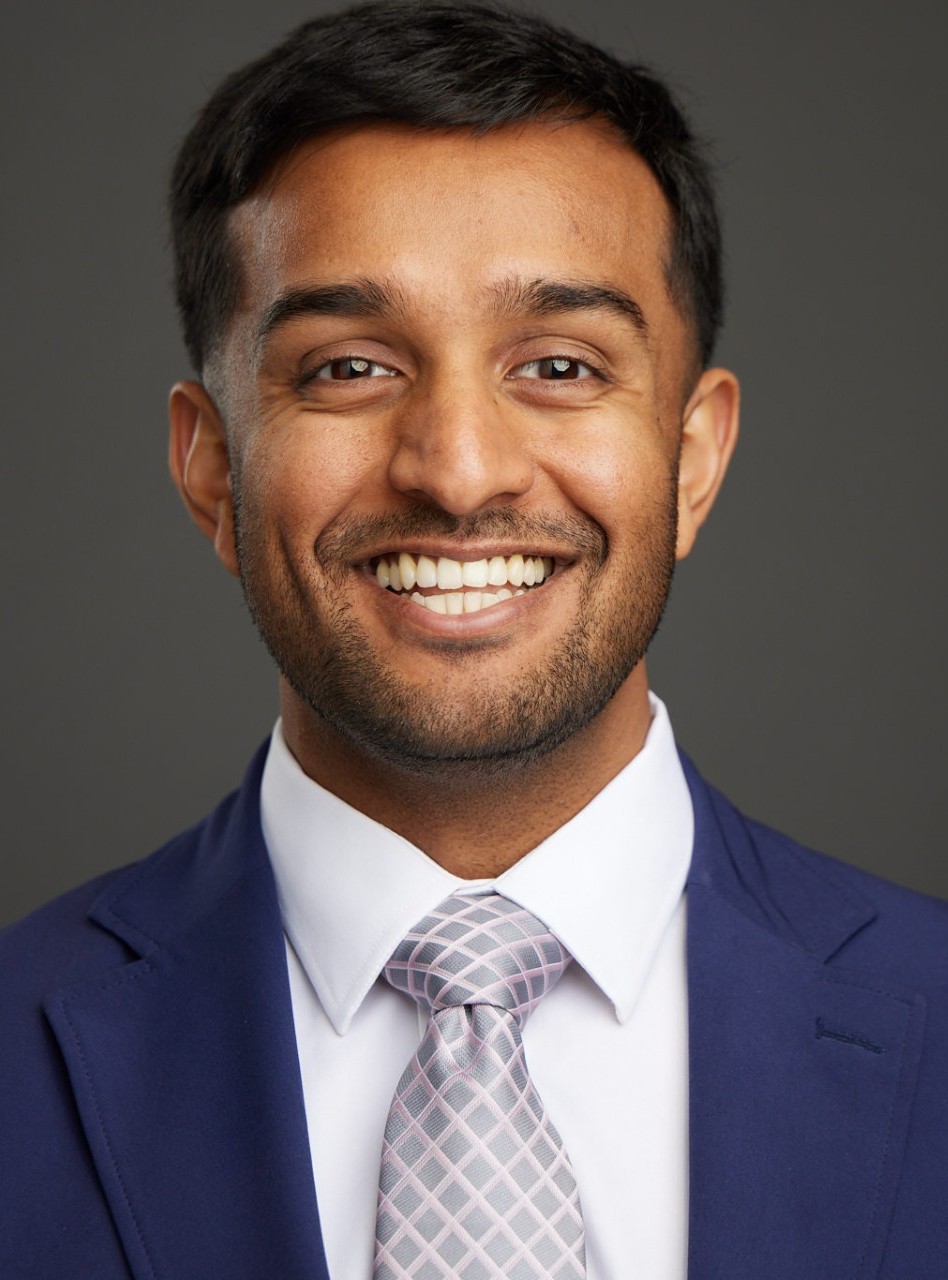
We spoke with Suresh Kamath, MD, a comprehensive ophthalmologist and oculoplastic surgeon at Capital Eye Care in Troy, New York, who has spent decades running a high-volume practice. His advice is less about productivity hacks and more about a fundamental reorientation in how a clinic day is designed.
Do Your Thinking Before the Day Starts
The single habit Dr. Kamath returns to most is reviewing charts several days before clinic—not the morning of, but well ahead of time.
“What feels like extra work at first quickly becomes a time-saving system,” he noted.
When imaging, history, and prior treatment plans are familiar before a patient walks in, the encounter shifts from discovery to decision-making. That distinction matters more than it seems. Under the time pressure and constant interruption that define most clinic days, pre-charting moves the hardest cognitive work to a quieter moment, protecting the quality of what happens in the room.
Pacing Is a Skill, Not a Personality Trait
When the schedule starts slipping, every patient can feel urgent. The key is recognizing that not every visit requires the same pace. A simple question guides the decision: Does this visit require new decision-making? If the answer is yes, give it the time it deserves. Slow down for new patients and complex or changing conditions. If the answer is no, as in routine follow-ups and frequent return visits, move efficiently. Consistency and efficiency keep the day moving without compromising care.
Learning to Lean on Your Team
Early in practice, physicians have a tendency to absorb whatever isn’t getting done—records that weren’t gathered, follow-up that wasn’t sent, gaps that need filling. It’s faster in the moment but quietly exhausting over time.
In Dr. Kamath’s practice, the work is redistributed deliberately: Clerical staff track down outside records and imaging before the visit; technicians handle routine patient messages and follow-up calls; and the physician’s attention is reserved for abnormal results, new diagnoses, and complex conversations. Each part of the team functioning at the highest level of their skill set—and building a system that reflects that—is what allows clinic to run effectively.
The Other Thing That Runs Out
The obvious constraint in clinic is time. The less obvious one is cognitive bandwidth.
As the day accumulates, the tendency is to default to habit, defer harder decisions, and miss subtle findings at the margins. Dr. Kamath’s approach—reliable preparation, clear prioritization, and a coordinated team—is not primarily about efficiency. It is about preserving the quality of your thinking at 4:30 in the afternoon for the patient who happens to be last on the schedule and deserves the same physician as the first.
The Bigger Picture
High-volume clinic is inevitable. Burnout is not. With preparation, prioritization, and teamwork, busy days can become both efficient and rewarding.
Ophthalmology is still one of the few specialties where you can build something truly your own—and more than 70% of ophthalmologists are doing exactly that. The clinicians who thrive over the long term aren’t just skilled at the medicine; they’ve learned to design their days with intention, lean on their teams, and protect the quality of their thinking from the first patient to the last. That’s not a small advantage. It’s the foundation of a career worth having. OM
Join the RWO community for more conversations like this at RWO After Dark in Washington, DC: A Night at the Museum, Saturday, April 11, 8–10 pm. Space is limited. Register at RealWorldOphthalmology.com/tickets